Best Oil Filters to Keep Your Engine Clean and Healthy
Five practical oil filter options for cleaner engine oil and routine maintenance

Engine oil does more than lubricate. As it circulates, it picks up tiny bits of metal wear, soot from combustion, dust that slips past the air filter and fragments of oil that has begun to break down. Oil filters catch much of that material before it reaches the bearings, cylinder walls and valve train parts that rely on a thin film of clean oil. Oil carrying too much debris protects those surfaces less well, which is why a filter matters even when the oil itself is fresh.
The filter also has to let oil flow freely. Inside the housing are a gasket, valves and filter media that all have to suit the engine. That is why one filter cannot simply stand in for another. Thread size, gasket diameter and internal design vary between applications, and a filter that screws on can still be the wrong one.
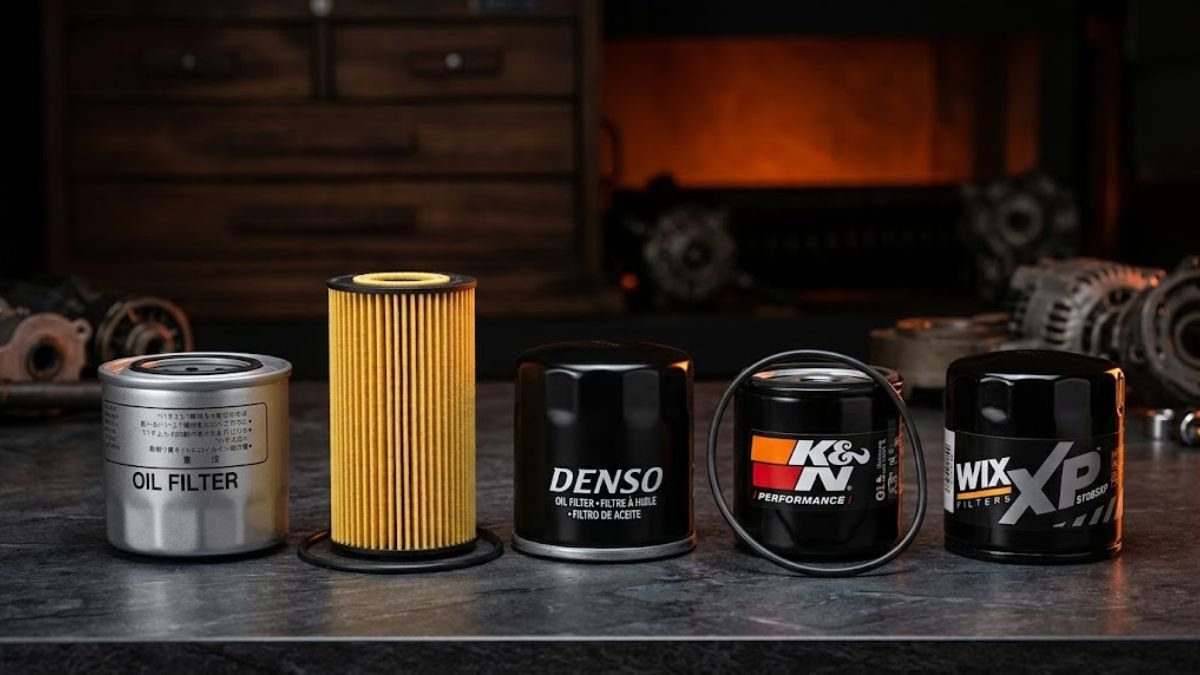
The five filters in this guide come from Beck/Arnley, Motorcraft, K&N, Denso and WIX. They represent different approaches, from OE style replacements to a performance series and a branded product line. Start with the table for a quick comparison, then read the product sections to see which approach fits the way you maintain your vehicle.
Comparison Table
| Product | Filter Type | Key Feature | Compatibility | Best For | What Stands Out |
|---|---|---|---|---|---|
| Beck/Arnley 041-8707 | OE style replacement | Brand builds parts to match original form and fit | Application specific, brand focuses on import vehicles | Import owners wanting a direct swap | Foreign nameplate focus |
| Motorcraft FL-2016 | Automaker branded | Sold under Ford’s own parts brand | Application specific, Ford family vehicles | Owners who prefer factory brand parts | The automaker’s own name |
| K&N HP-1005 | Performance series | Part of K&N’s HP oil filter line | Application specific, confirm the part number | Owners drawn to K&N’s performance background | Series known for a removal nut on some models |
| Denso 150-2043 | OE supplier replacement | Made by a supplier to automakers | Application specific, often used on Japanese vehicles | Owners of Japanese imports | Original equipment supplier background |
| WIX 51085XP | XP line | Carries WIX’s XP designation | Application specific, confirm your engine | Owners who like to compare product lines within one brand | Separate line from standard WIX filters |
Our Take
These five filters fall into four loose groups, and the groups tell you more than the brand names do.
OE replacement style filters, like the Beck/Arnley and Denso, aim to behave like the filter the vehicle left the factory with. They appeal to owners who would rather not experiment. An automaker branded filter, represented here by Motorcraft, carries the vehicle manufacturer’s own name, which can make matching simpler for people who drive that brand. The K&N HP series is performance oriented in its branding, though its most practical difference may be handling during removal. The WIX XP is a named line within a broader range, which gives buyers a choice between a standard filter and something positioned a little differently.
Compatibility should come before any of this. A filter made for another engine is a poor purchase whatever its reputation, so settle the part number first and treat brand preference as a tiebreaker.
For a typical driver who changes oil on schedule at a shop or at home, an OE style or automaker branded filter keeps decisions simple. A high mileage owner may want to look closely at product descriptions and also watch for seepage around the filter, since older engines can develop small leaks at seals. Someone who performs their own oil changes may care more about access and removal, which is where K&N’s series draws attention. None of these choices replaces the maintenance schedule in your owner’s manual.
The Five Products
Beck/Arnley 041-8707 Oil Filter
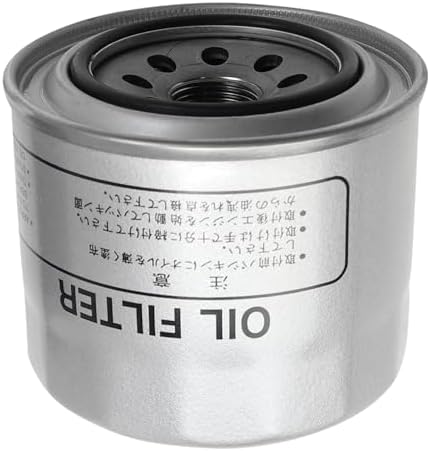
- Matches OE form, fit and function
- Designed for synthetic and conventional oils
- Made using high quality filter materials to maintain proper fuel air flow
Beck/Arnley has long concentrated on parts for foreign nameplate vehicles. Its catalog is built around replacing original equipment with parts that match the form, fit and function of what the automaker installed, and this filter follows that approach. It is a straightforward replacement rather than a specialty product, so there is no performance angle to weigh.
The brand’s import focus is what sets it apart. Owners of European and Asian vehicles sometimes find a general catalog filter harder to match than one from a company that works mostly on their cars. Beck/Arnley’s pitch is that the new filter should behave like the one it replaces.
Before ordering, enter your year, make, model and engine on the listing. Engine variants within a single model often take different filters, so the model name alone will not settle it.
This filter suits routine maintenance on an import you want to keep close to stock. Compared with grabbing the cheapest compatible filter, the reason to choose it is the brand’s goal of matching original specifications. That offers some reassurance when you want the new part to resemble the old one. Its appeal is predictability more than extra features.
Motorcraft FL-2016 Engine Oil Filter
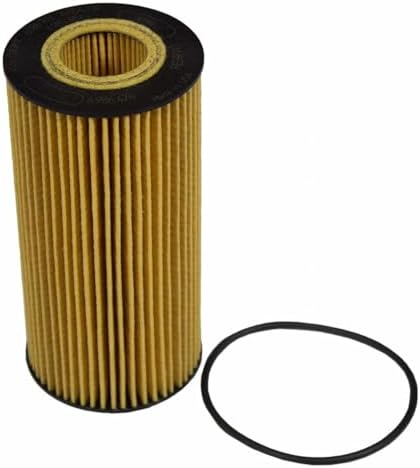
- Fit Type: Vehicle Specific
- Part number: FL2016
- Included components: Oil Filter
Motorcraft is the parts brand Ford uses for its own service parts, and the FL-2016 carries that name. If you have picked up an oil filter at a Ford dealer parts counter, the packaging may look familiar. Choosing it is less about a special feature and more about staying with the manufacturer’s own brand.
That has a practical benefit. Ford builds cars, trucks, vans and SUVs with a wide range of engines, and its filter numbers are tied to applications. Starting from the Motorcraft number listed for your engine, through the owner’s manual or a parts lookup, is often the quickest way to avoid guesswork.
The FL-2016 is not a universal part, even within Ford’s lineup. A nearby model year may use something different, so match the number to your exact engine instead of relying on the model name. It is positioned as a factory style replacement and not a specialty filter, so do not expect extras.
It may suit someone who keeps a Ford for many years and likes consistent parts from one service to the next. Over the cheapest compatible filter, the case for it rests on the brand’s connection to Ford, not on any claim about filtration performance.
K&N HP-1005 Premium Oil Filter
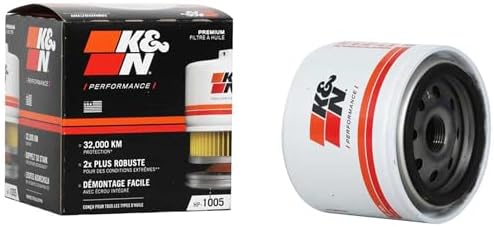
- HIGH FLOW RATES: Designed to provide exceptional flow rates and a consistent flow of oil to your engine
- VERSATILE COMPATIBILITY: Designed to operate with all synthetic, conventional, and blended motor oils
- PROTECT YOUR ENGINE: Pleated synthetic-blend filtration media removes most harmful contaminants
K&N is better known for air filters and other performance parts, and the HP series is its oil filter line. Many filters in that series are described as having a nut on the end that accepts a socket, which can make removal easier than using a strap or cap wrench. That is a trait of the series. Whether the HP-1005 itself has it is something to confirm on the listing or the packaging before you count on it.
If it does, the nut matters most where there is little room to get a hand or wrench around the filter. That makes the series interesting to people who do their own oil changes and have struggled with access, but it should not be the only reason to buy.
Fit comes first. The HP-1005 is made for specific applications, so match the number to your vehicle before anything else.
The brand may also appeal to enthusiasts who prefer to see the same name across their air filter and oil filter. Compared with the cheapest compatible filter, any advantage is likely to be handling or brand preference. Nothing in the available product information supports promises about engine life, power or fuel economy, so it is better to buy it for what it is than for what a performance label implies.
Denso 150-2043 Engine Oil Filter

- Package Dimensions: 8.89 L x 8.382 H x 8.89 W (centimeters)
- Package Weight : 0.317 kilograms
- Country of Origin : Canada
Denso is one of the large global suppliers behind parts that automakers install at the factory, including components for many Japanese brands. That background is why its aftermarket products carry weight with owners of those vehicles. The 150-2043 belongs to its replacement filter range and is aimed at maintenance rather than performance.
The distinguishing trait is Denso’s background as a major automotive supplier. That does not by itself mean this specific aftermarket filter is identical to a factory installed filter, so compare the part number with the recommendation in your owner’s manual or a reliable parts lookup for your engine.
Japanese model lines often offer more than one engine. A single model might come with a four cylinder and a V6, and those can use different filters. The listing’s fit checker is the quickest way to sort that out, and holding the old filter next to the new one is a useful second look.
This filter suits owners of Japanese vehicles who handle regular interval maintenance on commuters and family cars and like buying from a recognized supplier. When two compatible filters sit close in price, a known supplier name can be a reasonable tiebreaker. Prices and availability shift, so look at the current listing before deciding.
WIX 51085XP WIX XP Oil Filter
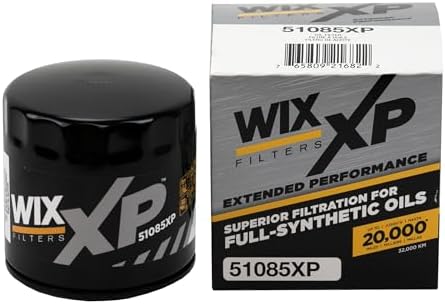
- ENGINEERED FOR SYNTHETIC OILS: Superior filtration for severe conditions; Designed to handle the demands of synthetic mo…
- ADVANCED FILTRATION EFFICIENCY: Next-gen synthetic-blended media with natural fibers eliminates the need for wire backin…
- EXTENDED PERFORMANCE: Outperforms OE standards with up to 20,000-mile change intervals—ideal for synthetic oil users
WIX sells oil filters under more than one product line, and the XP in this filter’s name marks one of them. The brand positions it separately from its standard filters, so the decision here is really between a standard WIX filter and the XP line.
What the XP designation means in practice is something to read in WIX’s own description for this part number. This guide does not list media type, efficiency figures or service intervals because those details are not part of the product information available here. If one of them matters to you, look for it on the listing.
Owners who already trust the WIX name and like to compare lines within a single brand may find this a natural place to start. It may also interest people who keep vehicles for a long time and prefer to pair their oil and filter choices thoughtfully.
An XP label does not change your oil change interval. Follow the schedule in your manual whatever filter you install. The 51085XP is tied to certain engines, so match the number to your vehicle as with any other filter. If your manual calls for a standard filter and you change oil on time, a standard one may serve you just as well, so weigh the value before paying for a different line.
Conclusion
Start with the engine. Whatever the brand, the filter has to match your vehicle’s year, make, model and engine, and the owner’s manual lists what the manufacturer requires. Maintenance intervals come from that same source, and a filter cannot stretch an oil change schedule by itself.
Next consider how you maintain the car. A driver who uses a shop and changes oil on schedule may be content with an OE style or automaker branded filter. A home mechanic may care more about access and removal. An owner who plans to keep a vehicle for many years might look more closely at a named product line from a familiar brand.
The filter and the oil also work as a pair. The oil carries contaminants and the filter collects them, so it makes more sense to match both to what your manufacturer calls for than to upgrade one and neglect the other.
A more expensive filter is not automatically right for your engine. Price says little about fit, and a correctly matched standard filter installed on time is a better outcome than a pricier one made for something else.
Oil changes also tend to leave drips on the garage floor and smudges on door handles and mats. Keeping supplies like those in our guide to car cleaning kits for interior and exterior nearby makes cleanup easier.
FAQ
How do I choose the correct oil filter for my vehicle?
Start with your owner’s manual, which often lists the recommended filter or the specifications to match. Then enter your year, make, model and engine into a retailer’s fit tool and compare the result with the part number you plan to buy. If your vehicle was offered with more than one engine, confirm which one you have. When in doubt, hold the old filter next to the new one and compare thread, gasket size and overall dimensions.
Should the filter be changed with every oil change?
In most cases yes. The old filter holds contaminants collected by the old oil, so leaving it in place sends fresh oil through a filter that is already loaded. Some owners wonder about changing it every second service, but your manufacturer’s schedule is the authority. Some vehicles use cartridge style filters that sit inside a housing instead of a spin on can, and the same idea applies. Replace the element when you replace the oil.
Does synthetic oil require a specific filter?
Not automatically, but the filter should suit the oil and service interval your manufacturer specifies. Some filter lines are marketed for synthetic oil or longer intervals, and the product description will say so. If your vehicle calls for synthetic oil, read what the filter maker states instead of assuming that any filter fits a long interval. The interval in your manual applies to the oil and the filter together.
Is an OE filter better than an aftermarket one?
Neither is better across the board. An original equipment or automaker branded filter is the simplest route to a match because it ties closely to the part the vehicle was built with. Aftermarket filters can be made for the same application and may add features such as easier handling. What matters is correct fitment and meeting your manufacturer’s requirements. Choose from filters listed for your exact engine, then decide on features and price.
What are the signs the wrong filter was installed?
Warning signs include oil leaking around the filter, a gasket that does not sit flat, a filter noticeably larger or smaller than the old one, or difficulty threading it on. An oil pressure warning light that stays on after startup is serious, and the engine should be shut off right away. If you do the work yourself, a set from our guide to mechanic tool sets for car repairs gives you sockets and wrenches for removing the filter and comparing it with the old one.